Project Details
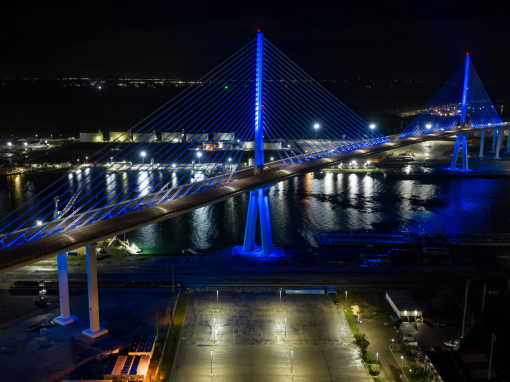
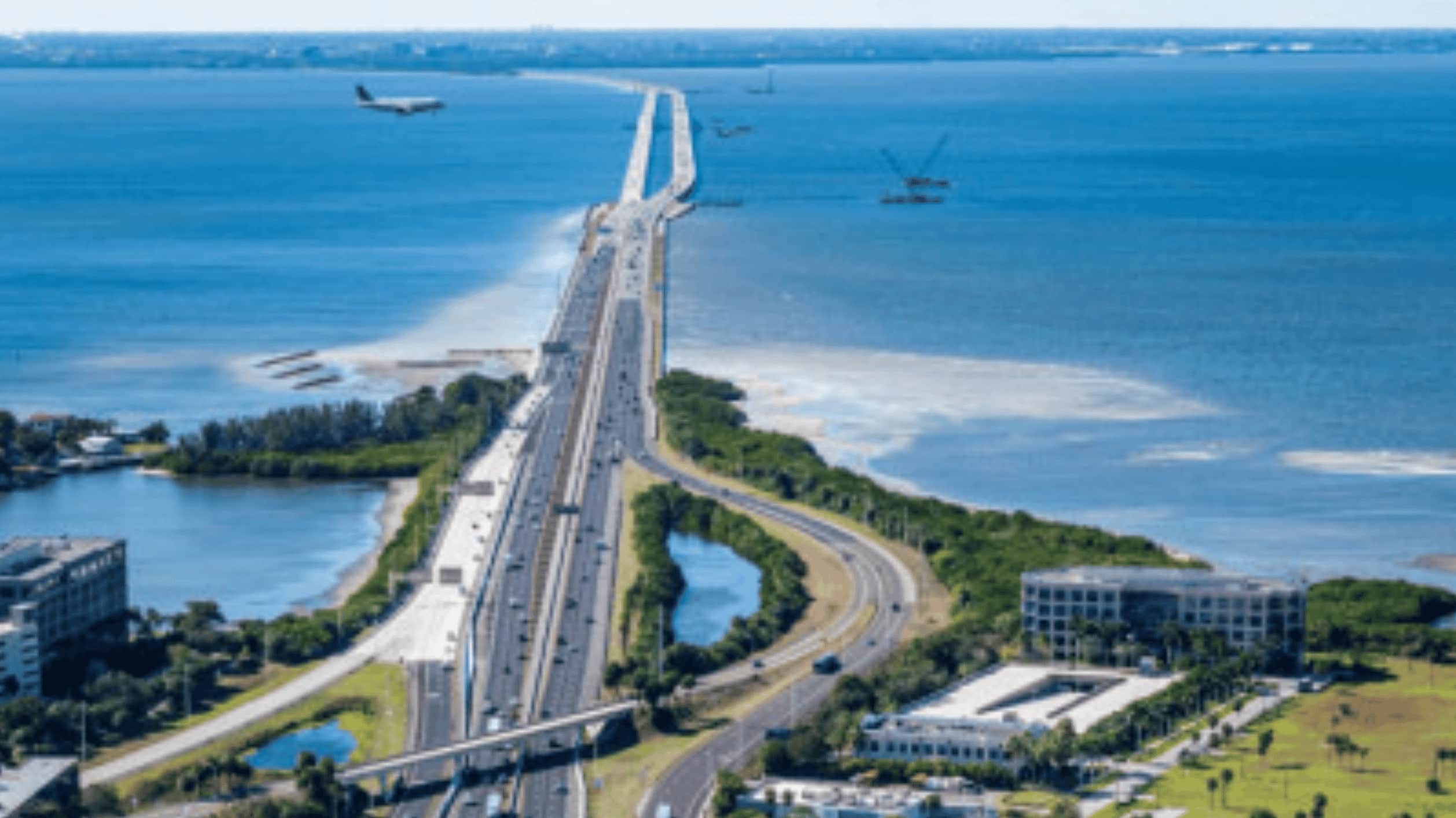
Howard Frankland Bridge Replacement & Expansion
Project Company: TMS
Project Scale: $973M contract, 6 miles of corridor coverage
Florida
Project Overview
Project Cost: $973M
Client
Florida Department of Transportation (FDOT), District 7 (in coordination with Tampa Bay Next program)
Scope
- ITS maintenance
- 7 miles of fiber optic backbone
- 18 Concrete ITS Poles
- 10 Steel ITS Poles
- 29 ITS Cabinets
- 55 Microwave Vehicle Detector Sensors
- 31 CCTV Cameras
- 29 Field Ethernet Switches
- 29 Uninterrupted Power Supplies
- 2 Emergency 50kw Generators
- 1 Road Weather Information System
- 17 Dynamic Message Signs
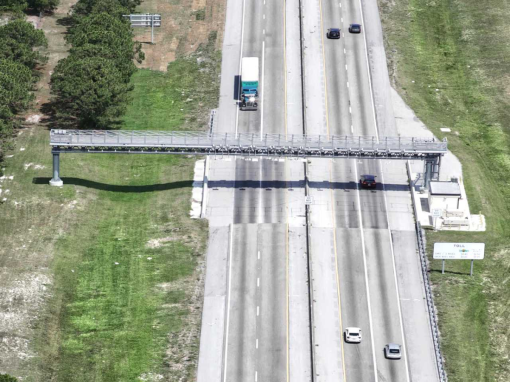
- 2 Complete Express Lane Toll Sites
- 9 Electric Emergency Access Gates
- Upgrades to Remote Traffic Management Center
- 227 Light Poles
- Bridge Color Changing Aesthetic Lighting
Project Highlights
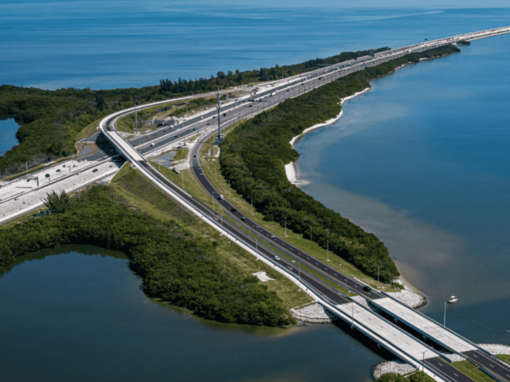
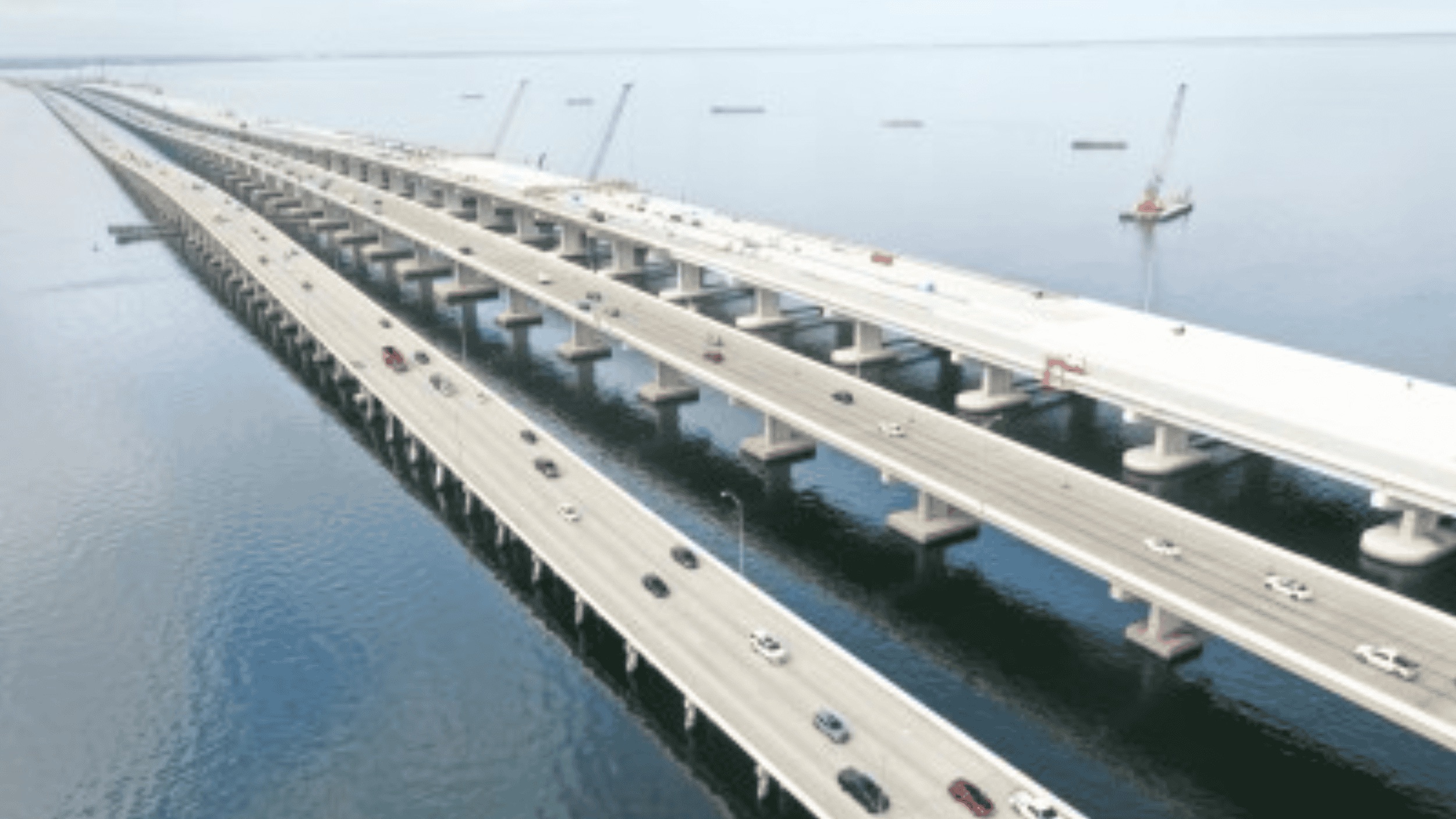
- The new Howard Frankland Bridge is “the widest bridge ever constructed in Florida” in terms of deck area.
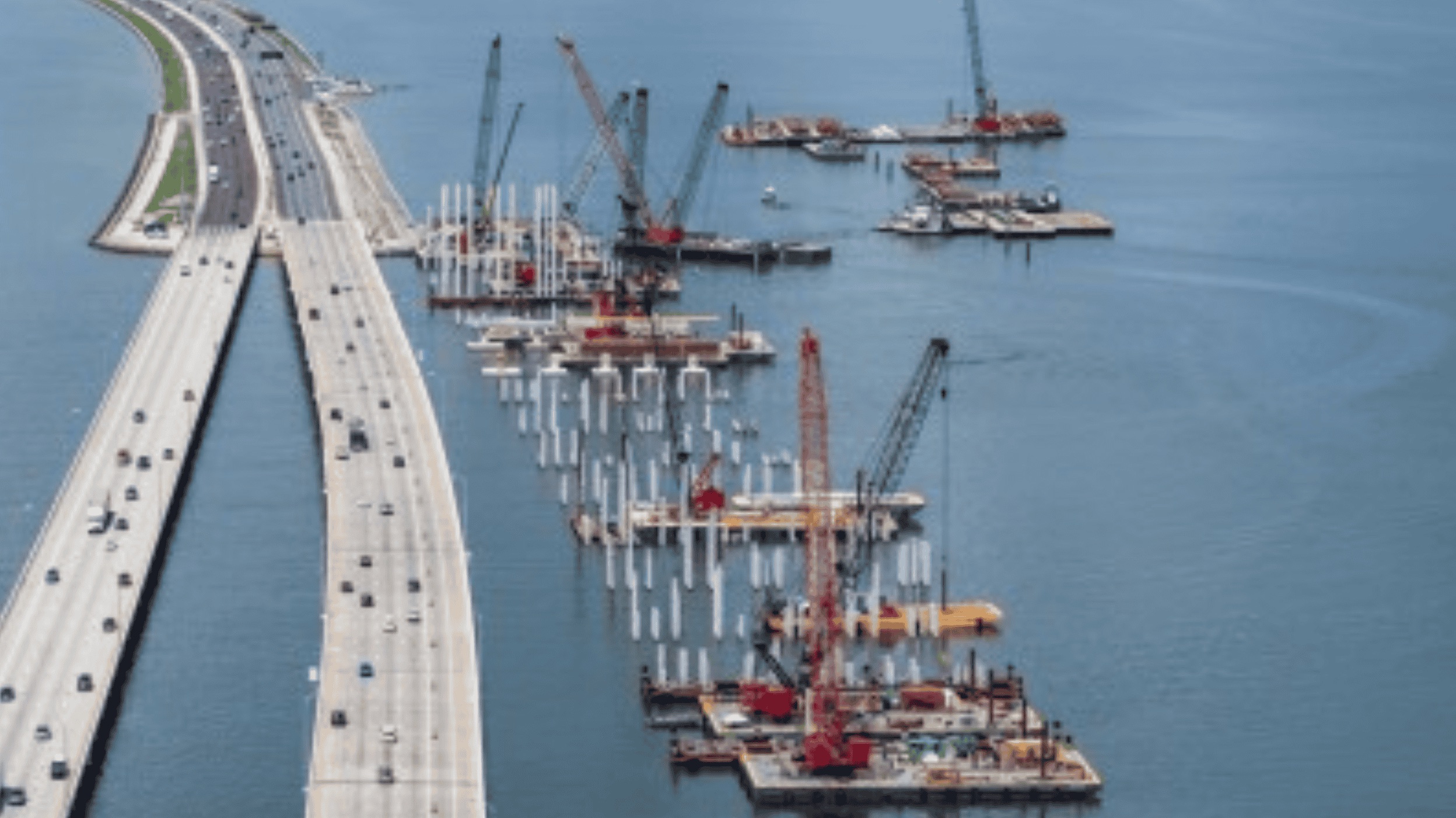
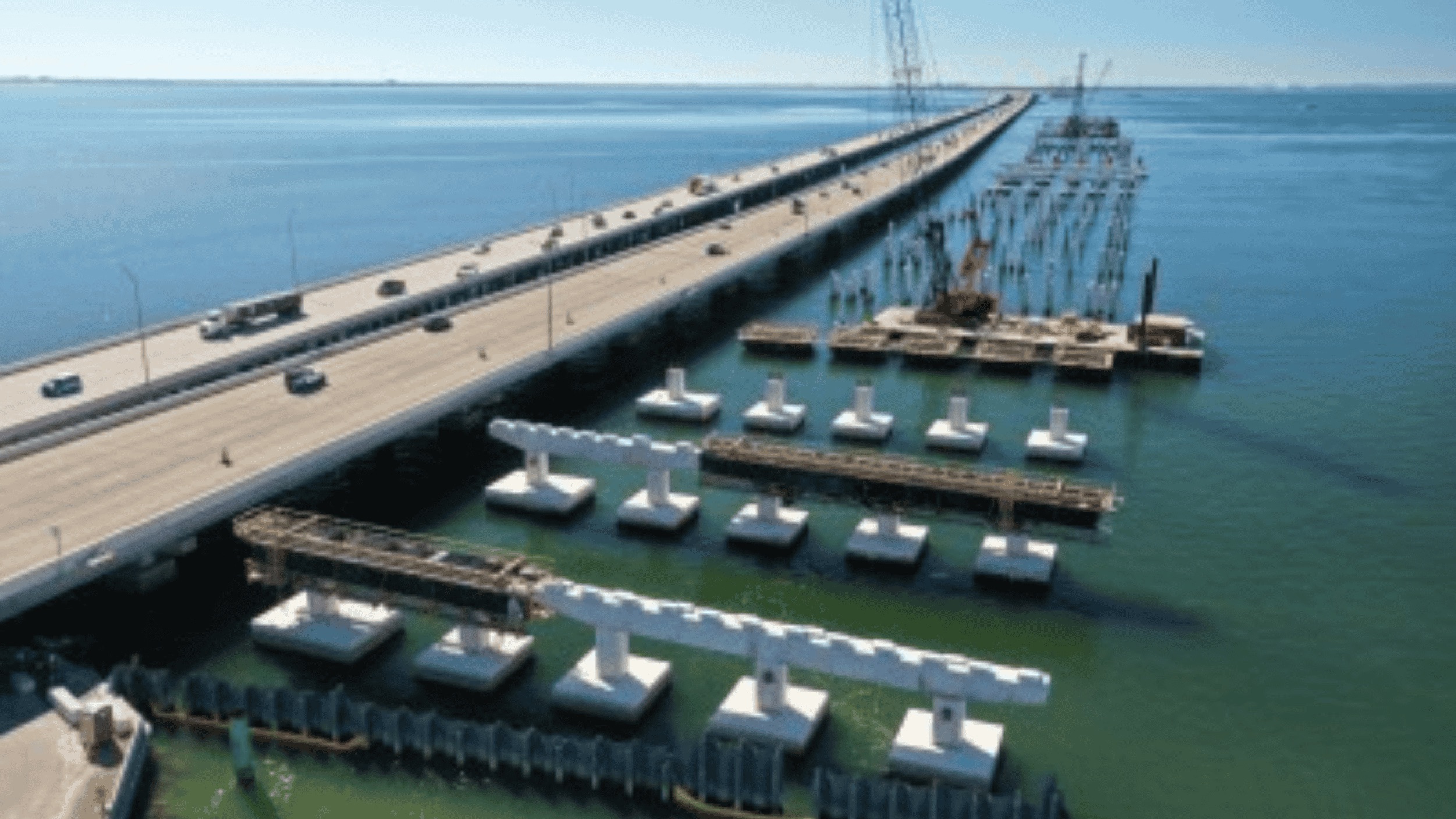
- More than 3,000 concrete piles will support the structure (along with hundreds of piers, columns, footings, caps) in challenging marine and subsurface conditions.
- The new structure consists of many spans: e.g. 113 spans, 1726 Florida-I beams, 44 hammerhead piers for high spans, 180 multi-column piers for low spans (per design firms’ data).
- Designed to resist vessel collision forces (e.g. up to 2,000 kips) protecting against marine traffic hazards.
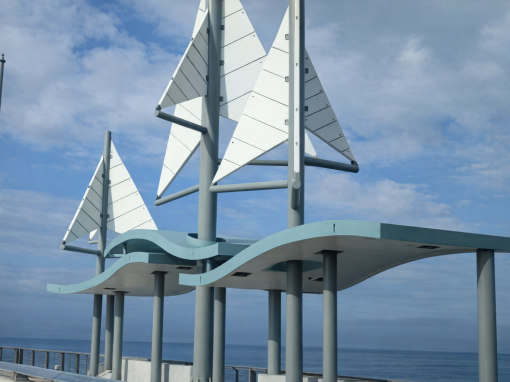
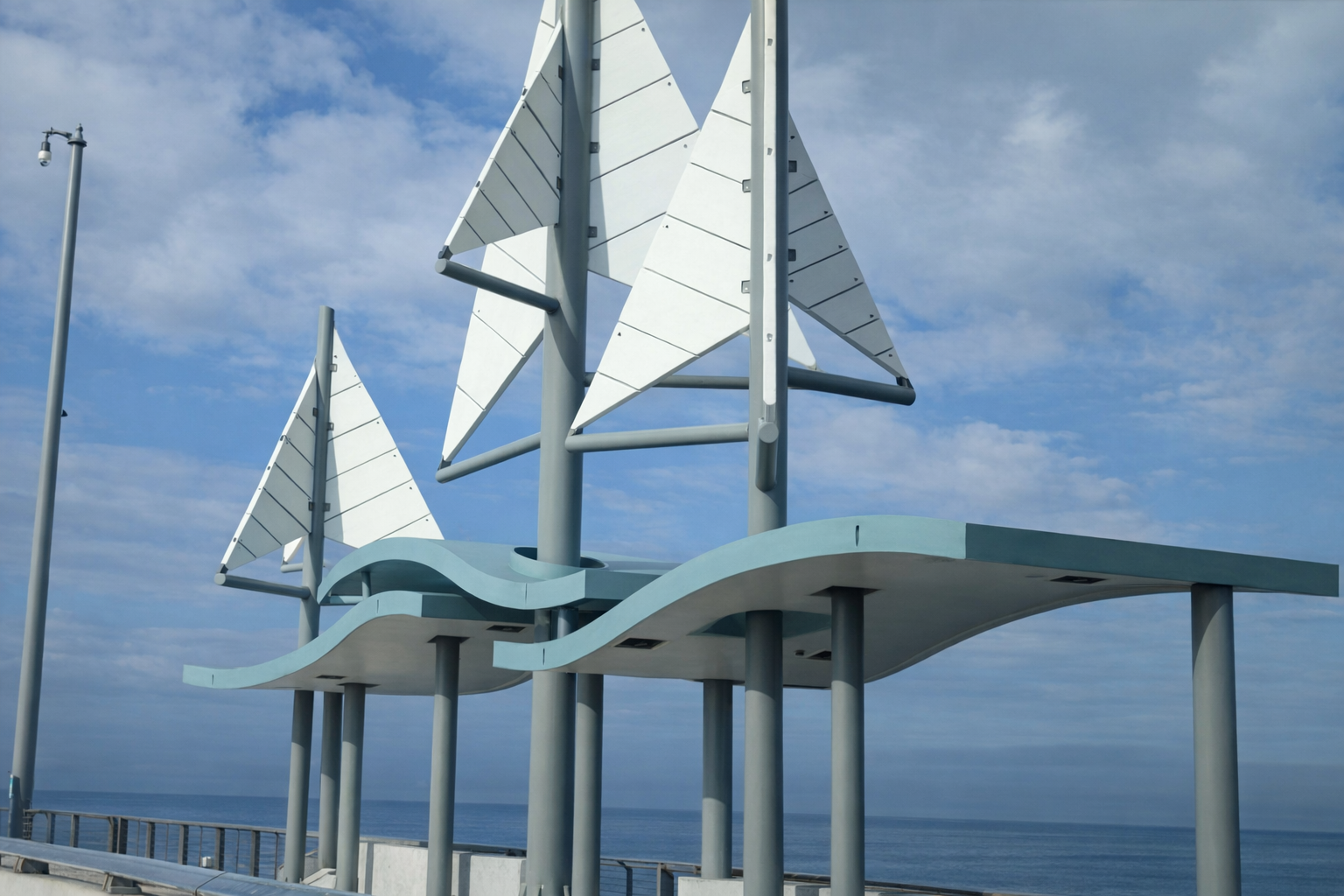
- The bridge includes a shared-use path / multi-use trail (pedestrian-bike) with scenic overlook elements, enhancing non-motorized connectivity and experience.
- Four scenic overlooks spaced along the span to enhance user experience for pedestrians/cyclists.
- The structure includes overhead sign structures, lighting, ITS, and tolling infrastructure to support express lane operations.
Major Benefits & Impacts
Increased Capacity & Congestion Relief
- By expanding from older narrower spans to a modern 8-lane + express lane structure, traffic flow capacity is significantly increased, reducing bottlenecks across the bay.
Improved Travel Time & Reliability
- Express lanes enable more predictable travel times for users willing to pay, even during peak periods. The general-purpose lanes benefit from reduced congestion pressure.
Safety Enhancements
- Modern geometry, better sight lines, updated structural designs, and separation of express vs general lanes reduce crash risk, weaving conflicts, and strain on older infrastructure.
Enhanced User Experience & Amenities
- Scenic overlooks, integrated lighting, aesthetics, and shared-use paths improve the experience for all users (drivers, cyclists, pedestrians).
Emergency / Evacuation Resilience
- A more robust crossing ensures better reliability during hurricane evacuations or emergency situations across the bay.
Project Gallery
Related Projects